Can I Dry My Allisonville Home Myself After Water Damage?
After a leak, burst pipe, or appliance failure, the first instinct for most Allisonville homeowners is to grab towels, fans, and a shop vac and start drying. That instinct is correct, fast action matters, but the question of whether you can finish the job yourself depends on how much water, what kind of water, and how long it sat. At Allisonville Water Restoration, we are IICRC S500 and S520 certified, and we have walked into hundreds of homes where the surface looked dry but the wall cavities, subfloor, and insulation were still saturated. That hidden moisture is what causes mold, warped floors, and structural rot weeks later.
This guide gives you a straight answer: what you can realistically dry yourself, what requires professional equipment, and how to tell the difference before small damage becomes a five figure repair. We will not tell you to call us for a few wet towels. If your situation is genuinely a DIY job, we will say so. If it is not, you deserve to know that too, so you can make a smart call within the 24 to 48 hour window before mold growth starts.
Quick Answer: Can You Dry It Yourself?
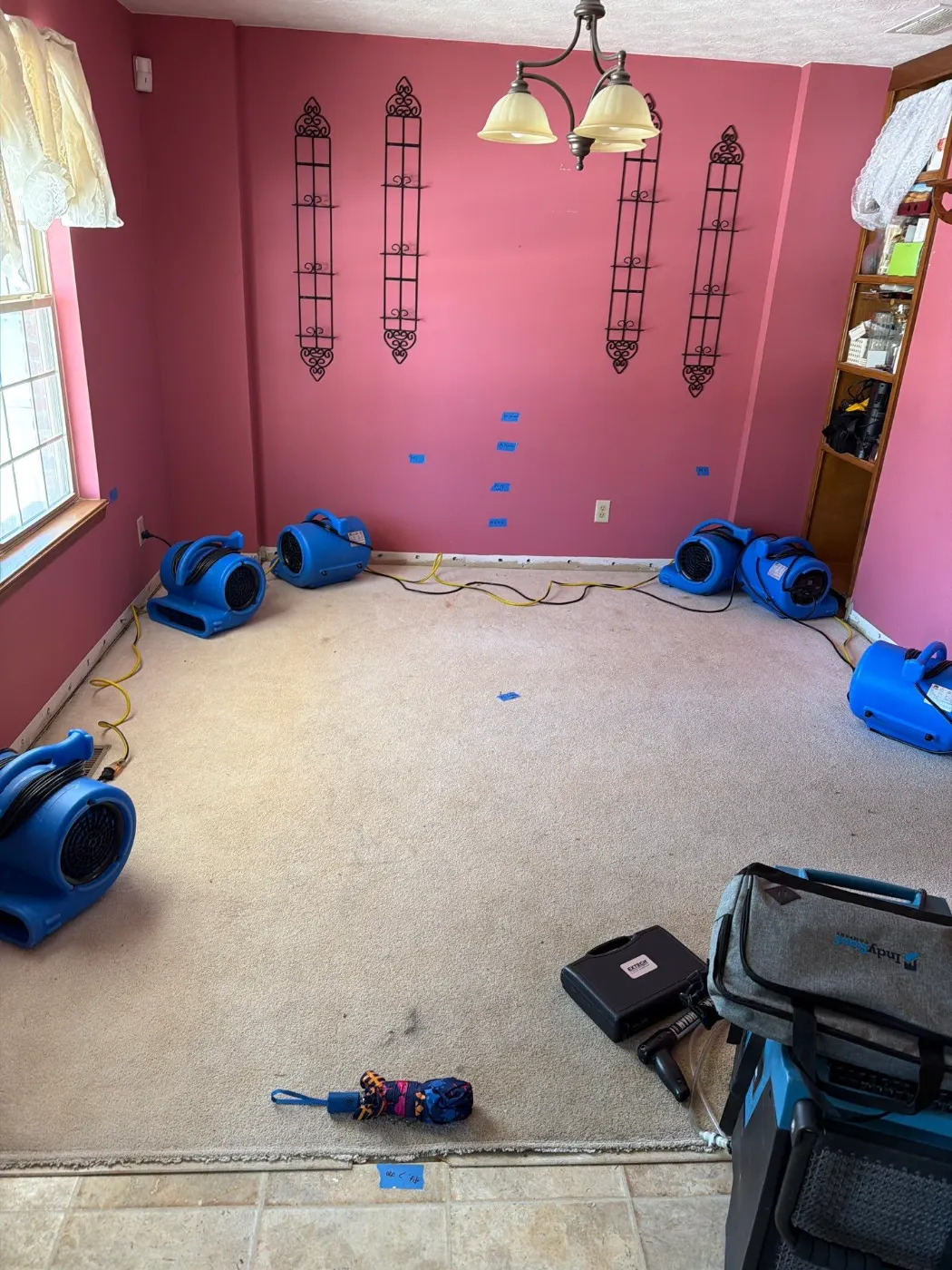
Yes, if the water was clean (Category 1), the affected area is under roughly 10 square feet, the water sat for less than 24 hours, and no drywall, insulation, or subflooring got soaked. Outside those limits, professional drying with commercial air movers and dehumidifiers is the safer call. Surface drying is not the same as structural drying, and household fans rarely pull moisture out of building materials fast enough to beat mold.
What DIY Cannot Fix
Even when you handle the visible water well, certain damage requires professional remediation. Wet insulation does not dry, it has to come out. Soaked carpet pad almost always needs replacement. Hardwood that has cupped may flatten with controlled drying but often needs sanding or board replacement. If mold is already visible, do not run fans, that spreads spores. Our team handles mold remediation after water damage under containment per S520 standards.
When to Stop and Call Mid-Project
Sometimes a DIY job starts well and turns sideways. If after 48 hours of running fans and a dehumidifier your moisture readings have not dropped at all, the water has reached materials you cannot access. If you start smelling that distinctive damp, earthy odor, microbial growth is already underway. If paint starts bubbling or drywall feels soft to the touch, the gypsum core is saturated. In any of these cases, stop, document what you have done, and call Allisonville Water Restoration so a proper drying plan can take over before the damage compounds.
DIY Drying vs Professional Drying: The Honest Comparison
| Factor | DIY Approach | Professional (Allisonville Water Restoration) |
|---|---|---|
| Drying time | 5 to 10 days | 3 to 5 days |
| Equipment power | Household fans, 50 pint dehu | Commercial air movers, LGR dehumidifiers |
| Moisture detection | Visual and pin meter | Thermal imaging, capacitance meters |
| Hidden moisture | Often missed | Documented and mapped |
| Mold risk | Higher | Lower with proper drying logs |
| Insurance documentation | You build it | Provided per IICRC S500 |
| Typical cost | $100 to $400 in supplies | Often covered by claim |
When DIY Drying Is Reasonable
Small, contained spills from clean sources are the textbook DIY scenario. Think of a tipped fish tank on tile, a slow refrigerator drip caught early, or a bathtub overflow where you shut the valve fast. In these cases, you can usually handle the cleanup yourself with patience and the right approach.
What Qualifies as a DIY Situation
- Source water is clean (supply line, rain through an open window, melted ice)
- Less than 10 square feet of flooring affected
- Water has been present under 24 hours
- No drywall absorption above the baseboard line
- No carpet pad saturation across a full room
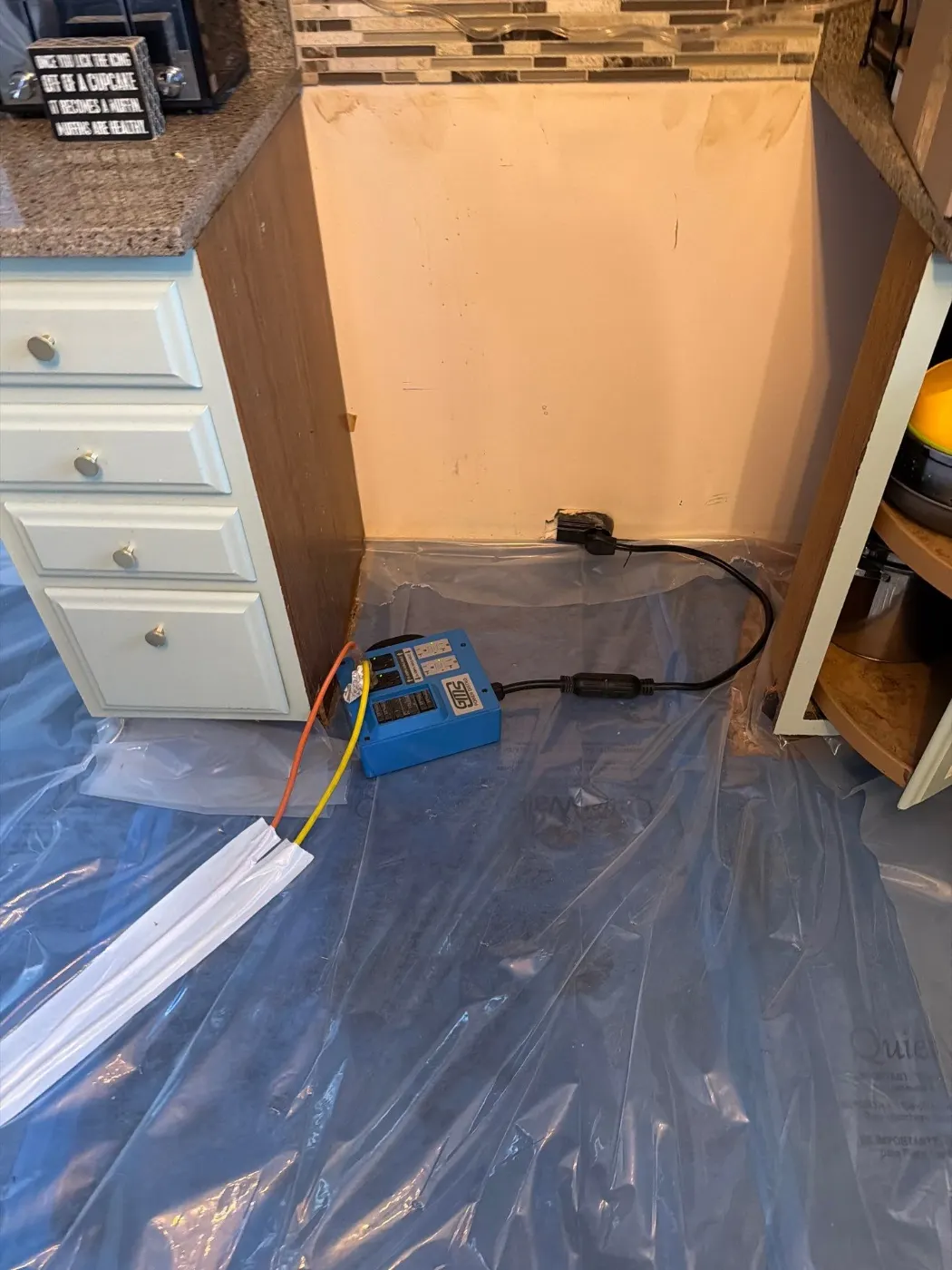
- No water near outlets, panels, or HVAC equipment
- Hard surface flooring (tile, sealed concrete, vinyl) rather than wood or carpet
Equipment You Will Need
- Wet/dry shop vac (minimum 6 gallon)
- Two or more box fans or oscillating fans
- A residential dehumidifier (50 pint or larger)
- Moisture meter (pin type, under $40 online)
- Microfiber towels and a mop
- Disinfectant spray for the affected surfaces
- Nitrile gloves and a basic N95 if drywall is involved
Get an Honest Answer Before You Commit
If you are standing in a wet Allisonville room right now wondering whether to grab fans or grab the phone, call Allisonville Water Restoration first. The assessment is free, our crews arrive in most cases within 2 hours, and if your situation is truly a DIY job, we will say so and walk you through it. If it is not, you will know exactly what you are facing before any work begins. That is the standard we hold ourselves to, and it is the only one that makes sense for your home.
When You Need to Call Professionals
Some situations are not safe or effective to handle alone. The clearest sign is water you cannot see, behind walls, under floors, or inside cabinetry. Our Allisonville crews use thermal imaging and penetrating moisture meters to find it, and commercial drying equipment to pull it out before the structure is damaged. If you are unsure how categories work, our breakdown on Category 1, 2, and 3 water damage explains the differences and why they matter for your health.
Red Flags That Mean Stop and Call
- Sewage, toilet overflow, or any greywater source
- Water sitting longer than 48 hours
- Soaked drywall, baseboards, or insulation
- Hardwood floors cupping or buckling
- Musty smell already present
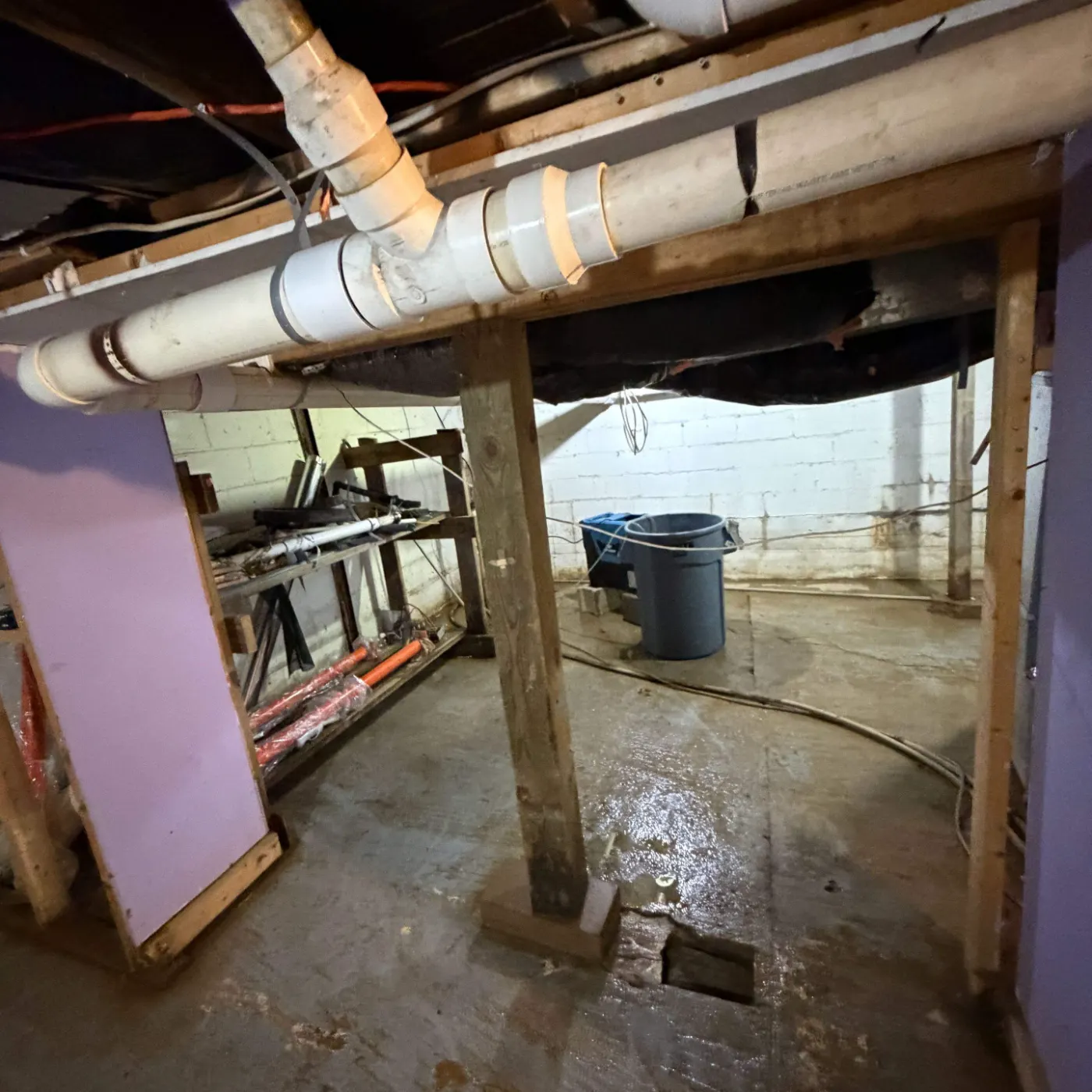
- Water in the basement, crawl space, or near electrical
- Any ceiling involvement from an upstairs leak
- Water damage covered by an insurance claim you intend to file
That last point matters more than people realize. Insurers expect drying logs, moisture maps, and photos that document the loss from start to finish. If you dry it yourself and discover hidden damage three weeks later, you may have weakened your own claim. When in doubt, Allisonville Water Restoration can dispatch a technician within 2 hours in most cases to assess the situation before you commit to a path.
Step by Step: How to Dry a Small Area Yourself
If your situation fits the DIY profile above, here is the order that works. Skipping steps or rushing the drying phase is what gets homeowners into trouble. The exact drying timeline depends on materials and humidity, and our guide on how long water damage takes to dry covers what to expect.
- Stop the source. Shut the valve, unplug the appliance, or place a bucket under the drip.
- Remove standing water with a shop vac. Towels alone are too slow.
- Lift wet items off the floor: rugs, boxes, furniture legs on foil squares.
- Open windows only if outdoor humidity is below 60 percent. Otherwise, keep them shut.
- Position fans to push air across (not down onto) wet surfaces.
- Run the dehumidifier continuously and empty it daily.
- Check moisture readings every 12 hours in the same spots.
- Stop only when readings match a dry area of the same material.
Common DIY Mistakes to Avoid
- Turning fans off overnight to save electricity (drying stalls and mold gets a head start)
- Leaving wet baseboards in place because the surface looks dry
- Skipping the dehumidifier and relying on fans alone
- Cranking the heat above 80 degrees, which raises humidity instead of lowering it
- Assuming carpet is dry because the top fibers feel dry (the pad underneath holds water for days)
- Throwing away wet materials before photographing them for records
Frequently Asked Questions
How do I know if my walls are dry inside?
You need a moisture meter, not your hand. Surface dryness means nothing if the cavity behind the drywall is still saturated. Allisonville Water Restoration uses penetrating meters and thermal cameras during free assessments in Allisonville to confirm what is actually dry.
Can I just open windows and run box fans?
Only for very small, surface-level spills. Open windows often raise indoor humidity, which slows drying. Box fans move air but do not pull moisture out of the structure. Real drying needs air movers paired with a dehumidifier in a closed space.
Will my insurance still pay if I tried DIY first?
Often yes, but documentation gets harder. If DIY fails and damage worsens, the carrier may argue you contributed to the loss. If you are unsure, call Allisonville Water Restoration for a free Allisonville assessment before you commit to DIY.
How long should I run drying equipment?
Until moisture readings in the affected materials match unaffected areas of your home. That is usually 3 to 5 days for a small loss. Stopping early because surfaces feel dry is the most common DIY mistake.
What if I find mold after I thought it was dry?
Stop disturbing the area and call a certified remediator. Allisonville Water Restoration is IICRC S520 certified for mold remediation and can dispatch a crew to Allisonville in most cases within 2 hours to contain and assess the growth.
Have a restoration question?
Our IICRC certified Allisonville crew is ready to help. Free assessments, written scopes, no pressure.